Technology for Healthcare & Wellness

Healthcare runs on systems clinicians and patients depend on every day. Patient portals, appointment flows, health tracking apps, and compliance infrastructure. We build the technology that keeps care connected and data secure.

HEALTHCARE & WELLNESS CAPABILITIES

Five areas where getting it wrong isn't just a bug. It's a liability.

Healthcare software carries more weight than most. We've built across clinical and consumer health products long enough to know where the real risks live and how to build around them.

Patient Portals & Health Platforms

Patient Portals & Health Platforms

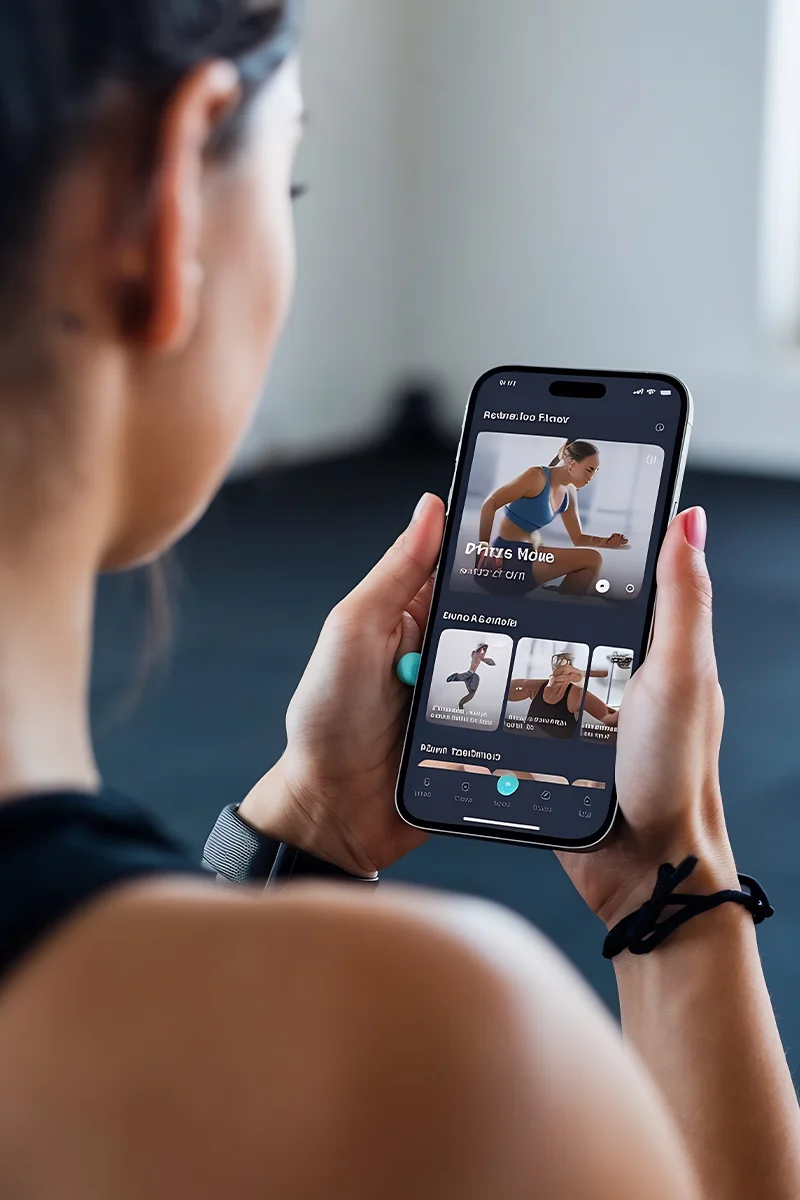
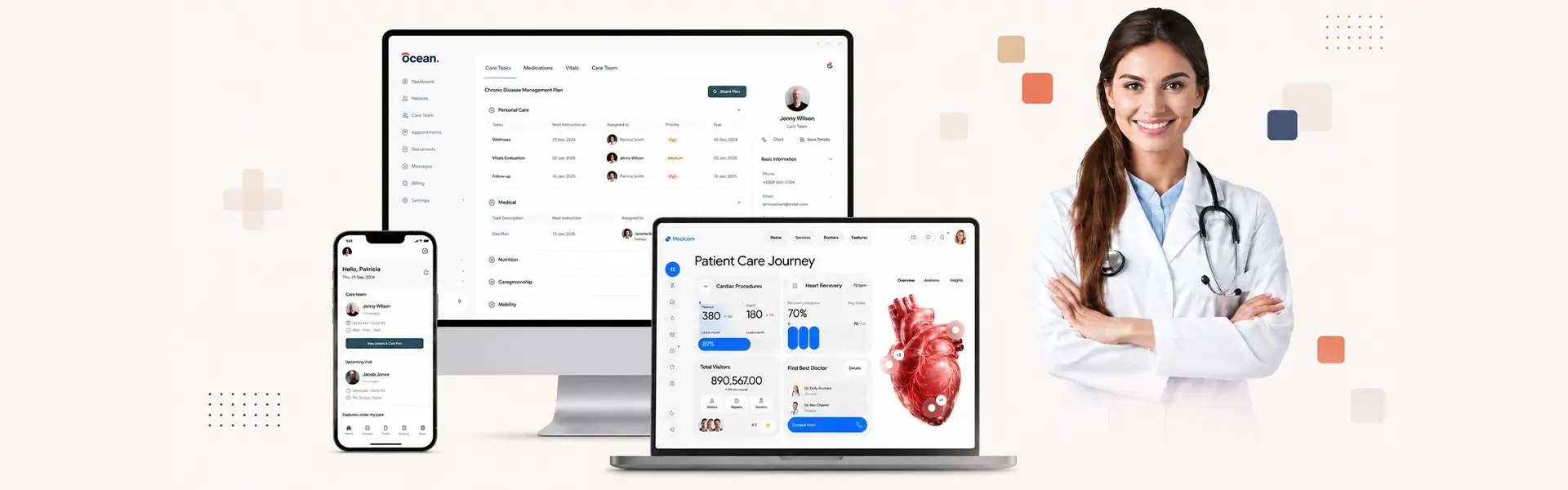
HIPAA-compliant patient-facing platforms that work for a 70-year-old with two conditions as well as they work for a 30-year-old tracking a fitness goal. Accessible, secure, and built to reduce calls to the front desk.

Learn more

PLATFORMS WE WORK WITH

The standards, systems, and infrastructure your product has to work with. We know them.

Healthcare runs on specific systems, follows specific standards, and integrates with specific infrastructure. We build within those constraints, not around them.

HL7
HL7 & FHIR
EHR
EHR Integration
iOS
iOS
A
Android
HIPAA
HIPAA Compliance
Cloud
Cloud (AWS / GCP)

Our Process

We map the clinical workflow, the compliance requirements, the integration points, and the users before designing anything. You leave this phase knowing exactly what needs to be built and why.

Discover
ONBOARDING
DISCOVERY
Discover
ONBOARDING
DISCOVERY
WHY OCEAN

Six things healthcare buyers should ask any vendor. Here's how we answer them.

The questions you should be asking anyone building health software aren't the same ones you'd ask a general software agency. Here's where we stand on each of them.

REASON 01

HIPAA compliance is architecture, not a checklist.

Every data flow, access control, and audit log is designed with HIPAA in mind from the first sprint. Not reviewed against it in the last one.

REASON 03

EHR integration doesn't surprise us.

We've worked with Epic, Cerner, and HL7 and FHIR pipelines enough to scope them accurately and build them without mid-project discoveries that blow timelines.

REASON 04

We design for adoption, not just delivery.

A tool that gets replaced by the old workaround after three weeks isn't a success. We involve clinical staff in the design process so the product fits how they work, not how we assumed they work.

REASON 05

Go-live is a process, not a moment.

Security audits, penetration testing, phased rollout, and a monitored stabilization period. Healthcare products need more runway before full deployment. We build that into the plan from the start.

REASON 06

No lock-in. Full handoff.

Everything we build is yours: code, data models, documentation, credentials. Designed so your team or another vendor can maintain it without us in the room.

COMMON QUESTIONS

Frequently Asked Questions

Is the software you build actually HIPAA compliant?

Yes. And we can show you how. HIPAA compliance in software isn't a yes or no answer. It's a set of architectural decisions about how data is stored, accessed, transmitted, and logged. We make those decisions correctly from the start and document them so your compliance team can verify.

What happens to patient data during development?

We never use real patient data for development or testing. We work with synthetic data or anonymized datasets during the build. Production data only moves through a HIPAA-compliant environment with full controls in place. This isn't something we negotiate on.

Why do healthcare projects take longer than other software?

Because they should. Compliance review, security testing, clinical validation, and a careful go-live process aren't padding. They're what separates software that's safe to put in front of patients from software that isn't. We build those steps into the timeline from the start, not as surprises at the end.

Can you work with our existing EHR system?

Yes. We've integrated with Epic, Cerner, and HL7 and FHIR-based systems. EHR integrations have quirks, vendor timelines, and review processes that eat time if you don't plan for them. We do plan for them because we've been through it enough times to know exactly what they involve.

Who do you typically build for in healthcare?

Clinics, health networks, digital health startups, and wellness companies. The common thread isn't the size. It's that the product touches patient data or clinical workflows and needs to be built properly. That's where we come in.

Can you modernize or replace an existing healthcare system?

Yes. We can improve a legacy platform, rebuild high-risk components, or replace the system in phases without disrupting daily operations. We begin by reviewing the existing architecture, integrations, data flows, and compliance requirements, then create a migration plan that protects patient data and keeps critical workflows available throughout the transition.